 Shared by @cultofmac.com ↗
 cultofmac.com35m ago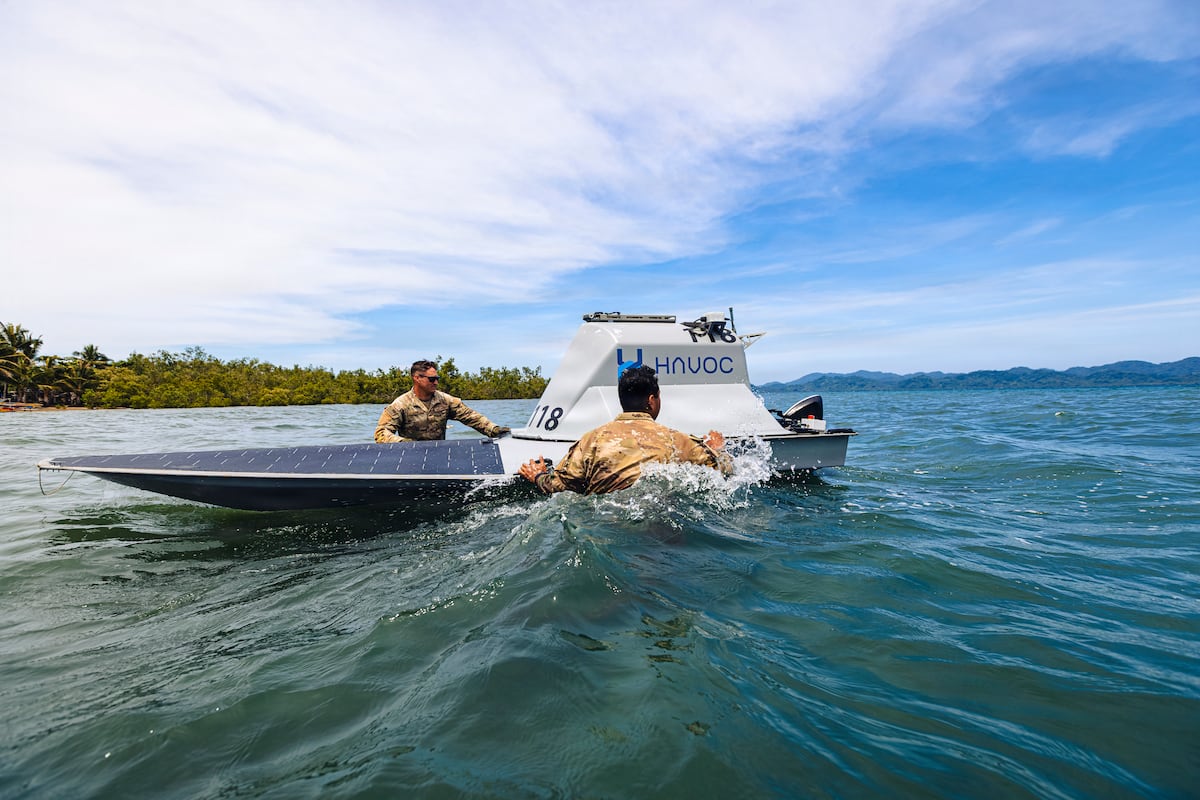
 Shared by @armytimes.bsky.social ↗
 armytimes.com35m ago
 Shared by @galasso.bsky.social ↗
 arxiv.org36m ago
SZA has publicly condemned the unauthorized use of Black artists' music to train artificial intelligence systems, specifically calling out producer Diplo and the AI music company Suno. Her comments, posted on Instagram, came in response to an Atlantic report that identified over 21 million recordings across four datasets being used without consent, according to Stereogum. The report revealed that major artists from Bad Bunny to Nirvana, as well as independent acts like Squirrel Flower and the Cramps, have had their work included without permission. "Black artists disproportionately influence global music culture while being the most vulnerable to intellectual property theft." SZA's criticism targeted Diplo directly, alleging he had equity in Suno and was using it to train AI on the work of Black writers and producers, as reported by Variety. She also expressed strong disgust toward musicians who support AI music creation, using forceful language on both her private and main Instagram accounts, according to TheWrap. The singer urged creators not to give away their creative genius to train AI systems, highlighting the lack of legal and creative protections for Black artists. The Atlantic report, which sparked SZA's response, found that the datasets included recordings from a wide range of artists without their knowledge or compensation, Stereogum noted. This has intensified growing concerns among musicians about AI companies exploiting their work, with Black artists facing particular vulnerability. SZA's intervention underscores a broader industry debate over consent and compensation in the age of generative AI. SZA's public stance adds a prominent voice to the chorus of artists pushing back against unlicensed AI training. By naming specific figures and companies, she has drawn attention to what she sees as a systemic issue within the music industry, where Black creators' contributions are often undervalued even as they shape global culture.
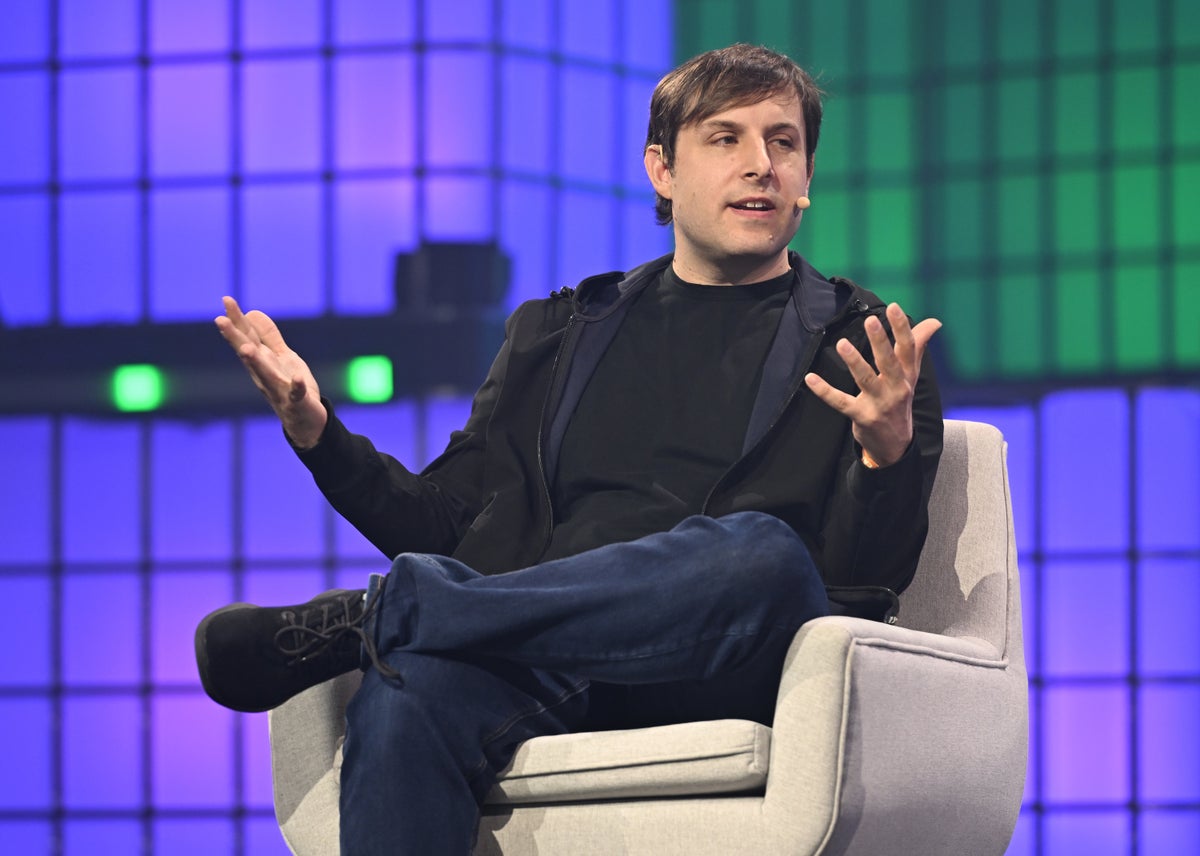
Max Hodak, CEO of Science Corporation and co-founder of Neuralink, discusses the need for reform in American scientific research. He argues that the U.S. research system has become overly bureaucratic, risk-averse, and slow, hindering innovation. Hodak draws parallels between the
 scientificamerican.com·Tech by Flipboard·36m ago·6 min read
U.S. Army soldiers from the 125th Intelligence and Electronic Warfare Battalion deployed unmanned surface vessels (USVs) during Exercise Salaknib 2026 in the Philippines, demonstrating how autonomous boats are being used to escort military vessels and transform maritime operation
 defensenews.com·Tech by Flipboard·36m ago·3 min read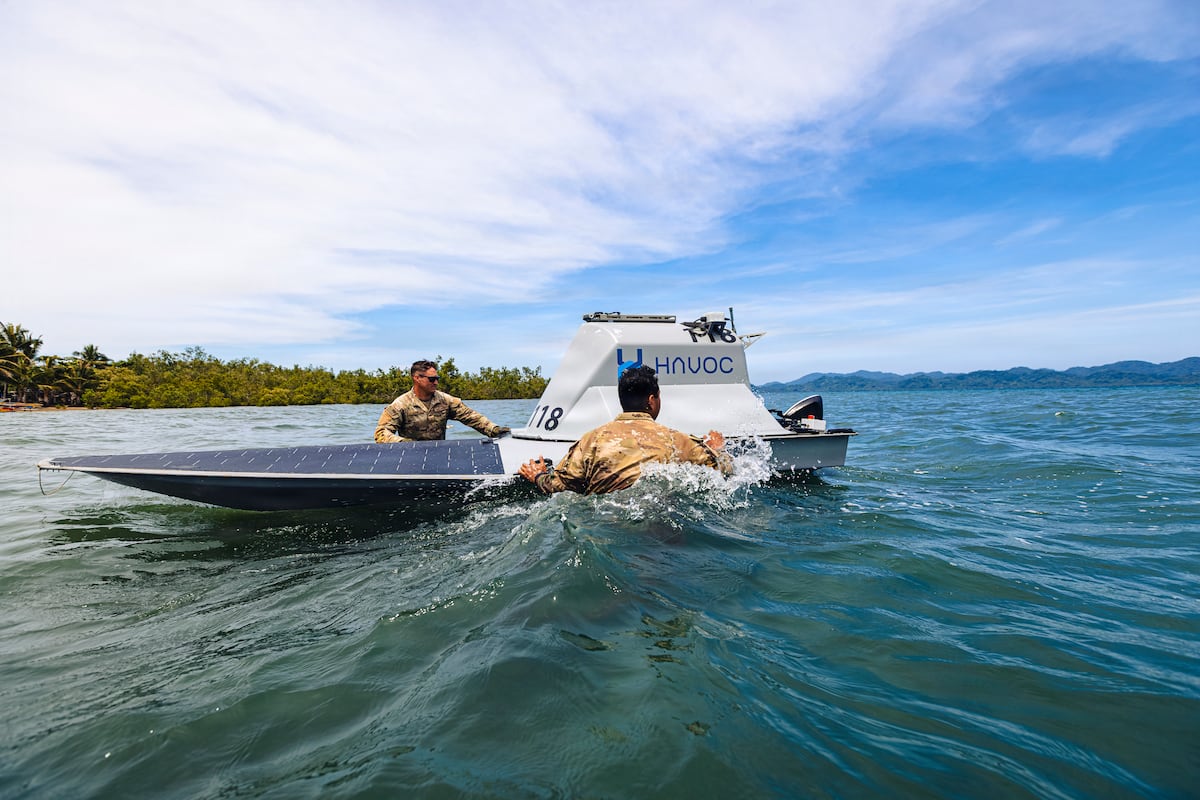
 Shared by @kathykadane.bsky.social ↗
 404media.co37m ago
 Shared by @techadvisor.com ↗
 techadvisor.com37m ago
 Shared by @londonpolbriefly.bsky.social ↗
 briefly.co37m ago
 Shared by @dcdnews.bsky.social ↗
 datacenterdynamics.com37m ago
 Shared by @dceiver.bsky.social ↗
 newrepublic.com37m ago
 Shared by @dotnetdrip.com ↗
 bbb.dev37m ago
 Shared by @bigearthdata.ai ↗
 19fortyfive.com37m ago
 Shared by @javinpaul.bsky.social ↗
 medium.com38m ago
 Shared by @ips-dc.org ↗
 otherwords.org38m ago
 Shared by @noemamag.com ↗
 noemamag.com38m ago